Centrum 1795
tells about the origins of
Dutch democracy
The Centrum 1795 houses a permanent exhibition about one of the most fascinating and formative periods in Dutch history: the late 18th century and the birth of Dutch democracy. The exhibition depicts the events of the Patriot Period and the Batavian Revolution through a large collection of historical prints and objects.


In September 1781, an anonymously written pamphlet was distributed to all major cities in the Netherlands from blacked-out carriages. The pamphlet, titled “To the People of the Netherlands,” sent shockwaves through the country.
It marked the beginning of a period of unprecedented revolution. In the years that followed, the foundation was laid for a new political system, and the “democratic era” began.
The exhibition “To the People of the Netherlands” illuminates this crucial period in Dutch history through a large collection of historical prints and objects.
The beginning of the democratic era
“Centrum 1795” refers to the Dutch Declaration of the Rights of Man and of the Citizen. This was proclaimed in The Hague on January 31, 1795. This document formulated and established fundamental human rights and equal civil rights for the first time in Dutch history.
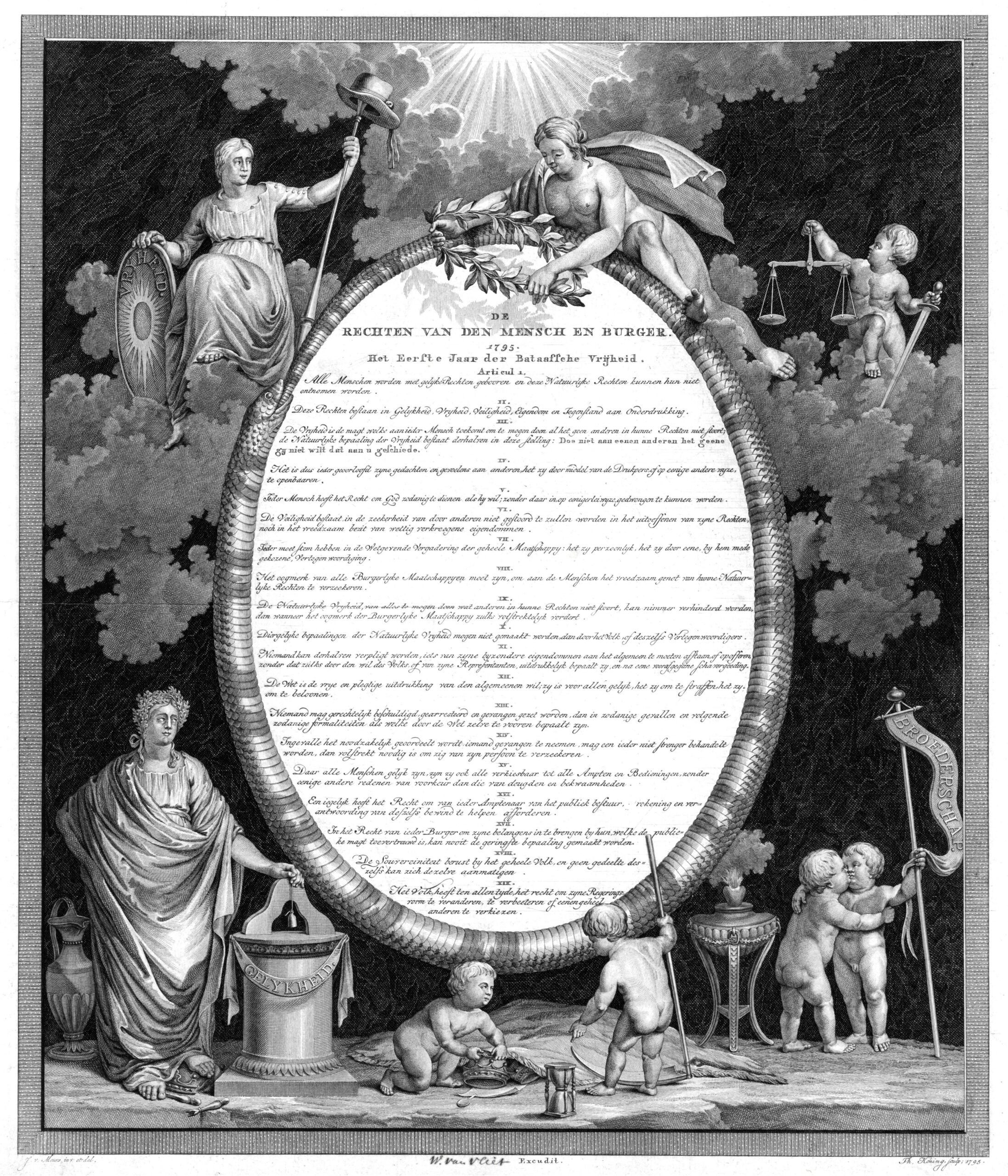
Declaration of Human Rights of 1795. On January 31, 1795, the Declaration of the Rights of Man and of the Citizen was proclaimed in The Hague.
This impetus for democracy came after years of struggle and intense events. The revolution resulted in the opening of the first national parliament on March 1, 1796, and the first Dutch Constitution on May 1, 1798.
Centrum 1795 sees these events as a fundamental break with the medieval past and strives to preserve the revolutionary period as an important part of the Dutch democratic heritage.
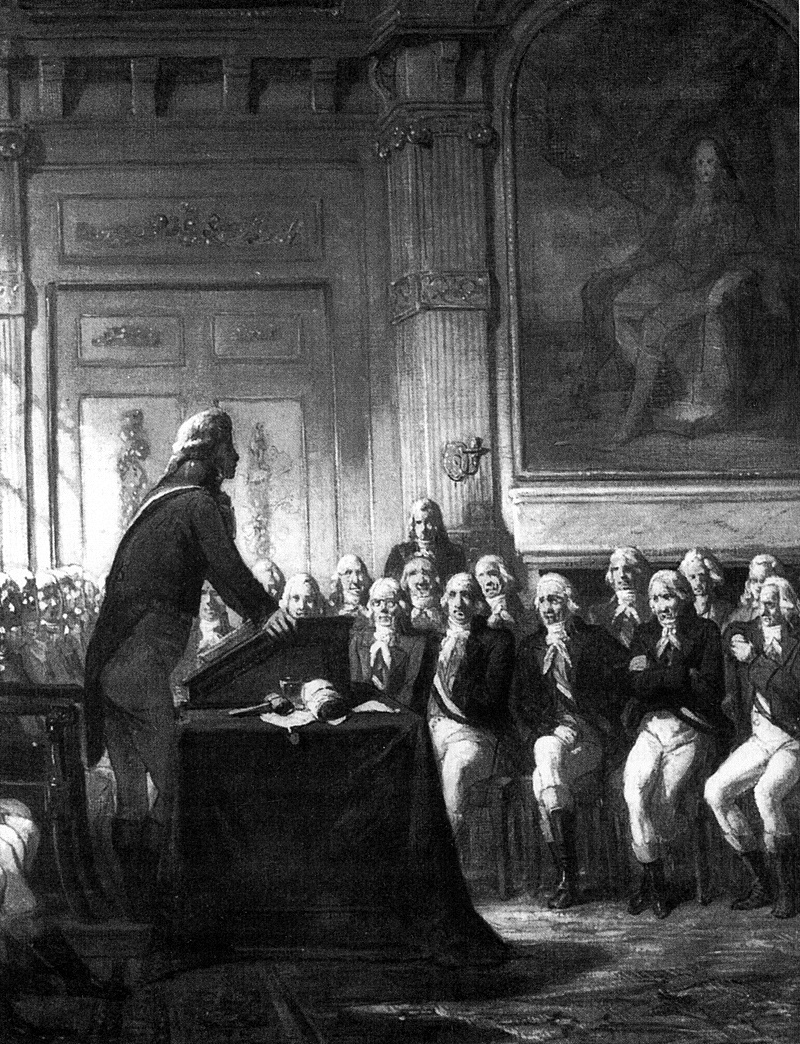
Opening of the First National Assembly (on March 1, 1796) by Pieter Paulus:

The First National Assembly in The Hague
Opening speech National Assembly
"Citizen Representatives! He has finally arrived, that long-desired day, when a National Assembly, elected and convened by the entire People of the Netherlands, may meet...
I declare, in the name of the People of the Netherlands, whom we represent here, that this Assembly is the representative body of the People of the Netherlands!".
......................
The birth of the first parliament was celebrated with cheers, applause, music, gunfire, and the firing of a cannon. Two days later, a large public festival took place in The Hague…
The Dutch Revolution
The establishment of the first Dutch parliament in 1796 followed a significant event a year earlier, in January 1795. After years of exile in northern France, Dutch patriots, supported by a large French army, crossed the frozen rivers, and Stadtholder William V fled to England.
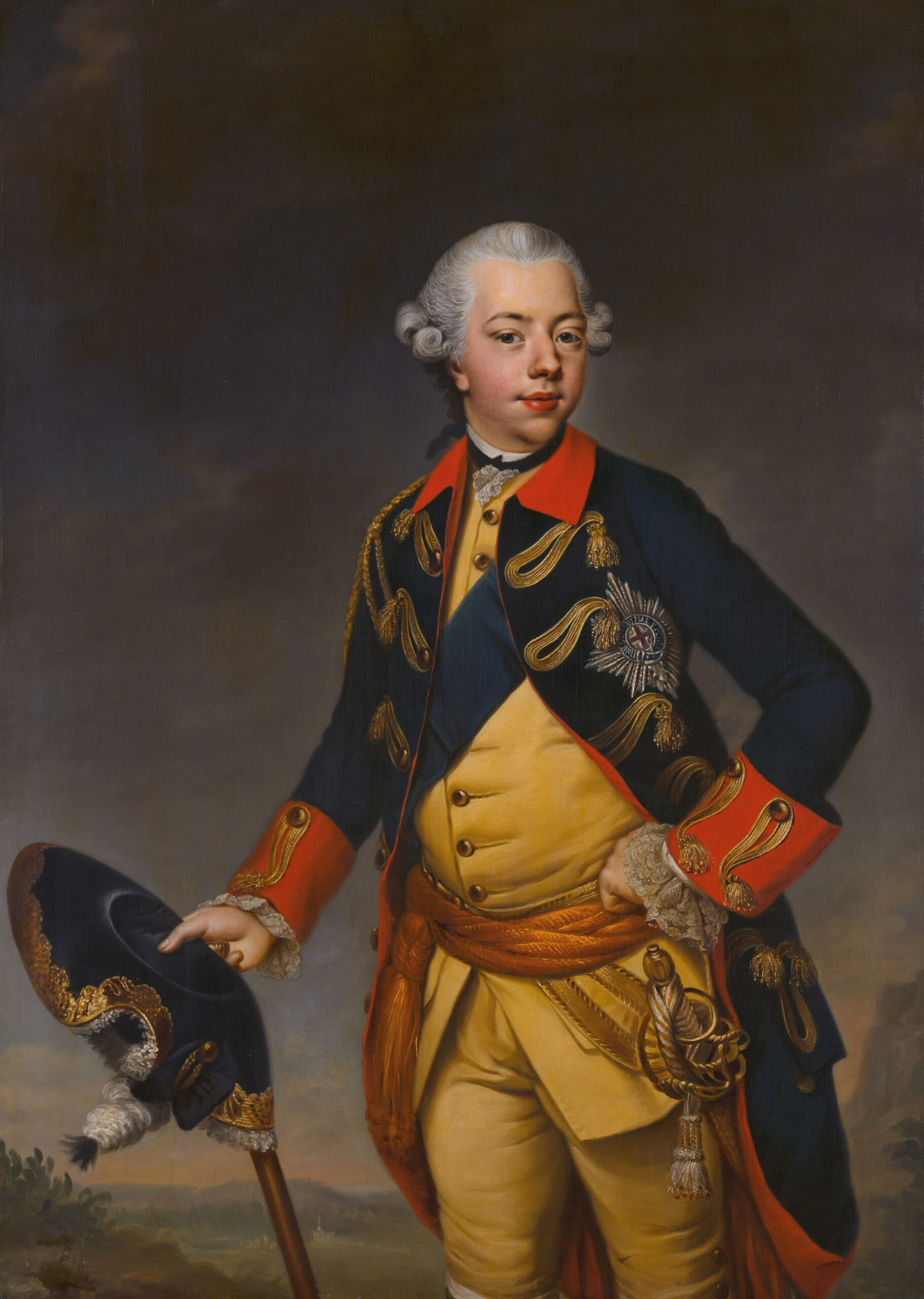
Stadtholder William V. In 1795, Stadtholder William V fled to England following the Batavian-French invasion. This marked the end of the centuries-long "stadtholdership" in the Netherlands.
This marked the end of the Republic of the Seven United Netherlands after two hundred years, marking a long history in which the Netherlands had been governed by the stadtholderate.
A new era began, in which the Netherlands transformed from a federation of separate provinces into a national state with a parliamentary democracy.
The Dutch Revolution ultimately culminated in 1798 with the creation of the first Dutch Constitution. This constitution transformed the former provincial “Netherlands” into the unitary state “the Netherlands,” based on democracy.
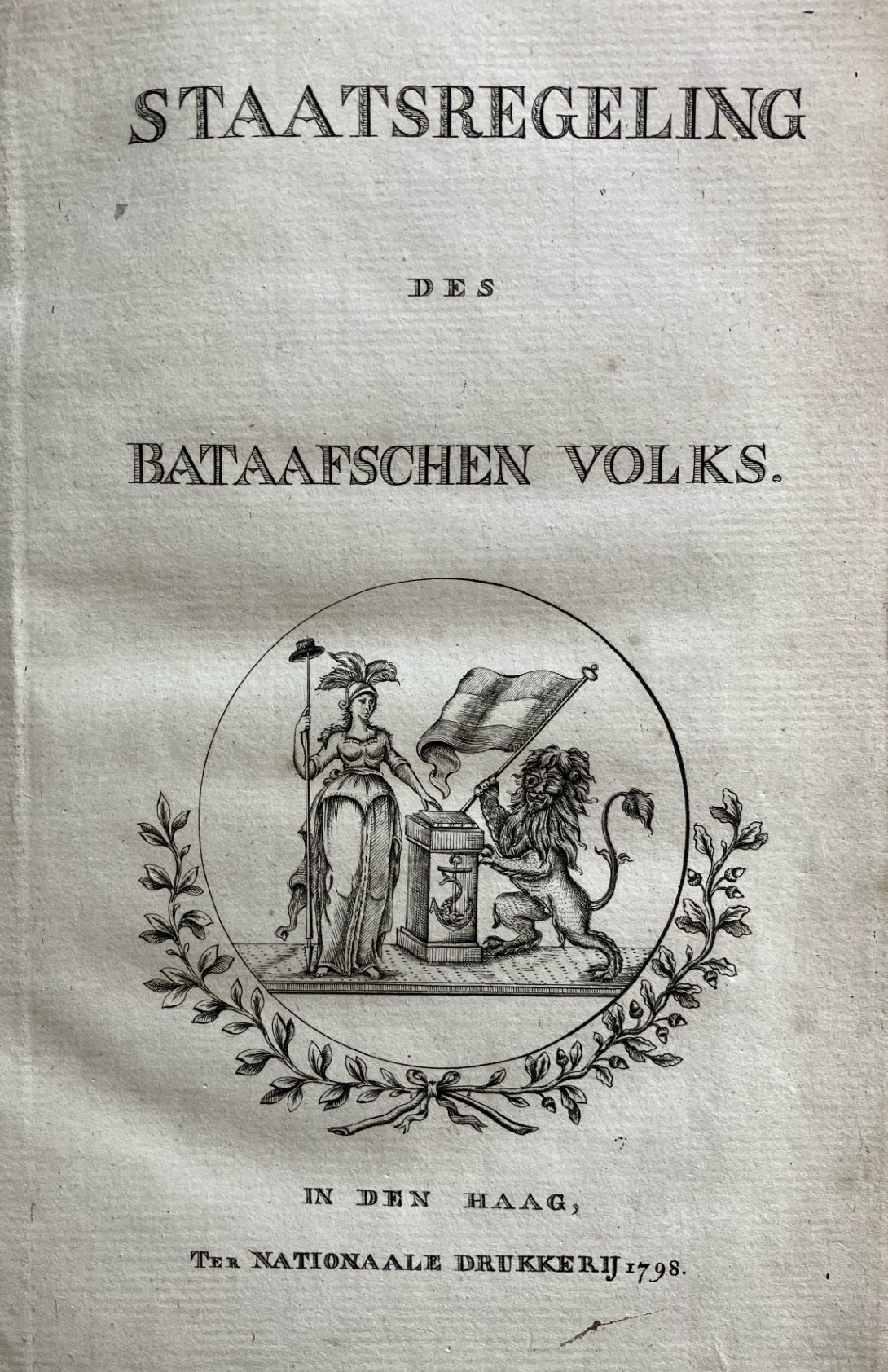
The first Dutch Constitution of 1798:
The Constitution of 1798 translated the general principles of "Liberty, Equality, and Fraternity" into the concrete principles of our modern society: an elected representative body, the codification of equal human and civil rights, and the separation of church and state. Freedom of speech, press, assembly, and religion were established.
Constitution for the Batavian People (1798)
Article 1. The purpose of social association is the protection of person, life, honor and property, and the cultivation of mind and morals.
Article 2. The Social Contract neither modifies nor abridges the natural rights of man, except as may be necessary for the attainment of its object.
Article 3. All Members of the Society, without distinction of birth, property, position, or rank, have an equal claim to its benefits.
......................
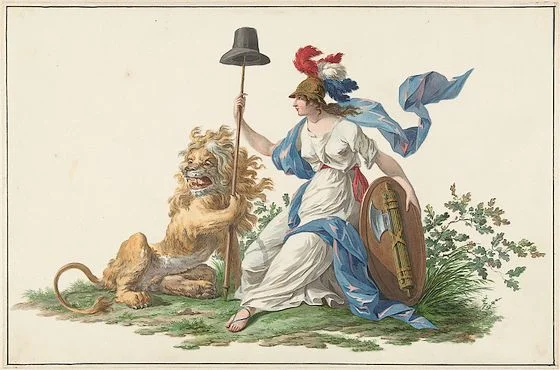
The symbols of the Dutch Revolution: the Dutch Virgin and Lion, with the liberty cap.
The unitary state of the Netherlands
This Constitution of 1798 established the ‘unitary state’ by declaring the country “one and indivisible.” With the unitary state, there was officially no longer any mention of ‘the Netherlands’ and its peoples. It marked the beginning of the Netherlands. It was the culmination and consummation of the Dutch Revolution.