“To the People of the Netherlands”
Centrum 1795 welcomes you to the exhibition “To the People of the Netherlands”.
Revolution in pictures
The exhibition “To the People of the Netherlands” explores the events of the late 18th century that paved the way for the modern Netherlands.
Using a unique collection of over 150 historical prints and objects, the exhibition depicts the events of the Dutch Revolution, which led to the emergence of the Netherlands as a democracy and a modern society.
The exhibition is open every Friday through Sunday in Oosterhout, North Brabant. Reservations are available via the website!
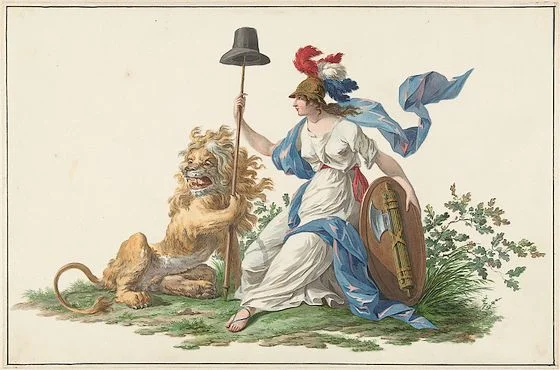

Liberty, Equality, Fraternity. In the second half of the 18th century, Europe and America gained momentum. Under the influence of a changing mentality, the revolutionary ideals of Liberty, Equality, and Fraternity became widespread. The 'struggle for liberty' culminated in the democratic revolutions of the late 18th century.

First National Assembly. On March 1, 1796, a first occurred: for the first time in the history of the Netherlands, a national and democratically elected parliament met in The Hague.
The story
With the beginning of the ‘Batavian Revolution’ in 1795 and the proclamation of the Declaration of the Rights of Man and of the Citizen, the new era of Dutch democracy had begun.
Freedom and, above all, ‘equality’ were the revolutionary fundamental principles upon which society was to be based. The innovation was significant and unprecedented: a national parliament, a Constitution, the separation of church and state, the right to vote, equal civil rights, and fundamental rights, such as freedom of religion and speech.
These are the foundations of the modern Netherlands and the democratic constitutional state, to which we have become accustomed. They are taken for granted. But they were not so self-evident before 1795. The origins of our democracy and citizenship lie in a time characterized by conflict.
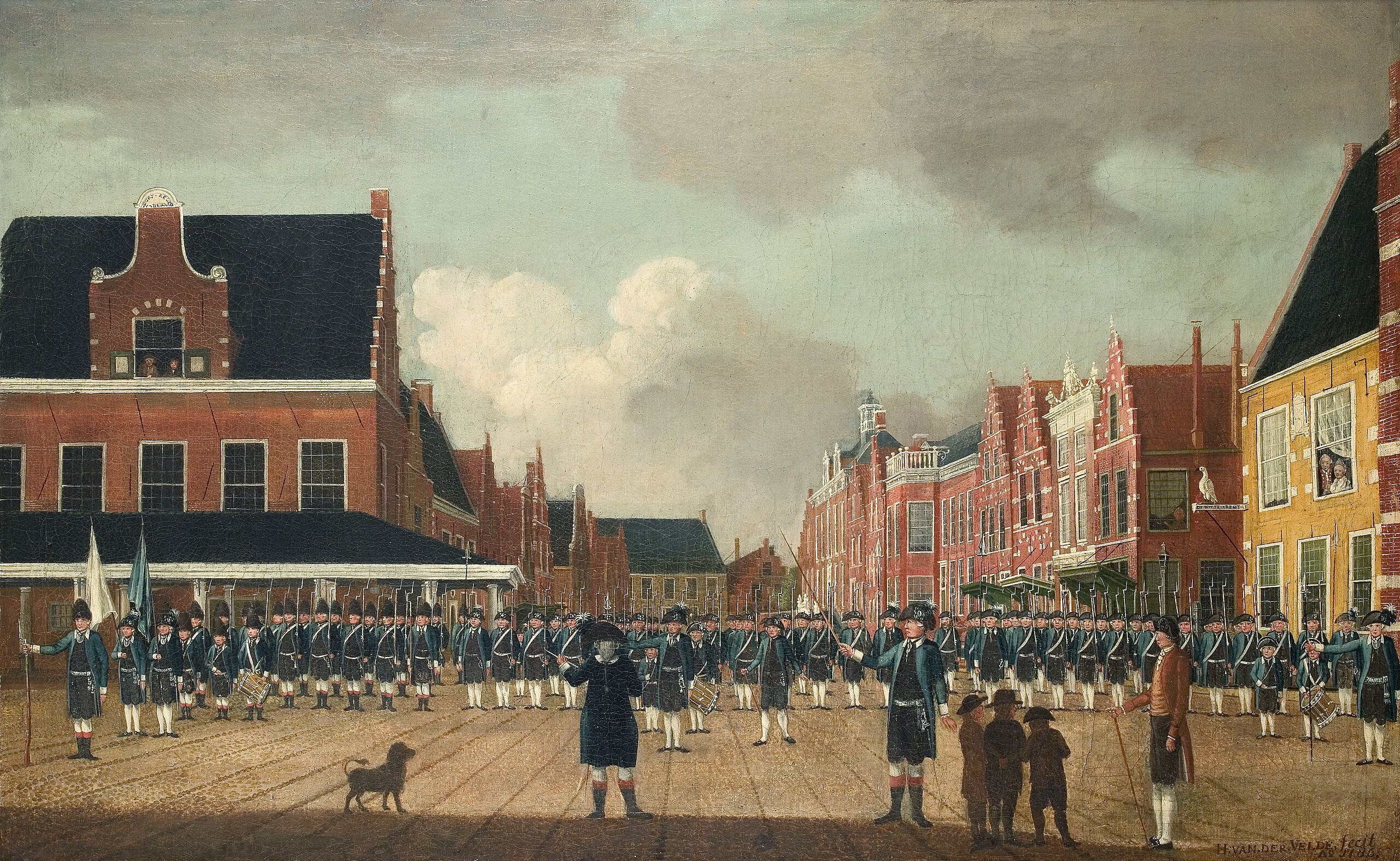
Patriot movement in Sneek, 1786. From the late 18th century onward, the Dutch patriot movement made significant inroads in all provinces of the Republic of the Seven United Netherlands. Inspired by the 'modern' ideals of the Enlightenment, the patriots opposed social inequality and political abuses. After years of struggle, the movement escalated into the Batavian Revolution of 1795, which laid the foundations of Dutch democracy.
The Dutch Revolution
The period from 1781 to 1815 is a turbulent piece of history:
a turbulent struggle between patriots and Orangists in the following years, which culminated in a civil war in the Netherlands
1786
the beginning of the Batavian Revolution and the proclamation of the Dutch Declaration of the Rights of Man and of the Citizen
1795
the coup of January 22, 1798, which removed all federalist representatives from the Dutch parliament
1798
the creation of the first Dutch Constitution and with it the official introduction of the 'unitary state': the Netherlands became the Netherlands
1798
The exhibition “To the People of the Netherlands” tells the story of the origins of Dutch democracy, exploring the most important events in the early period of the development of the ‘modern’ Netherlands.
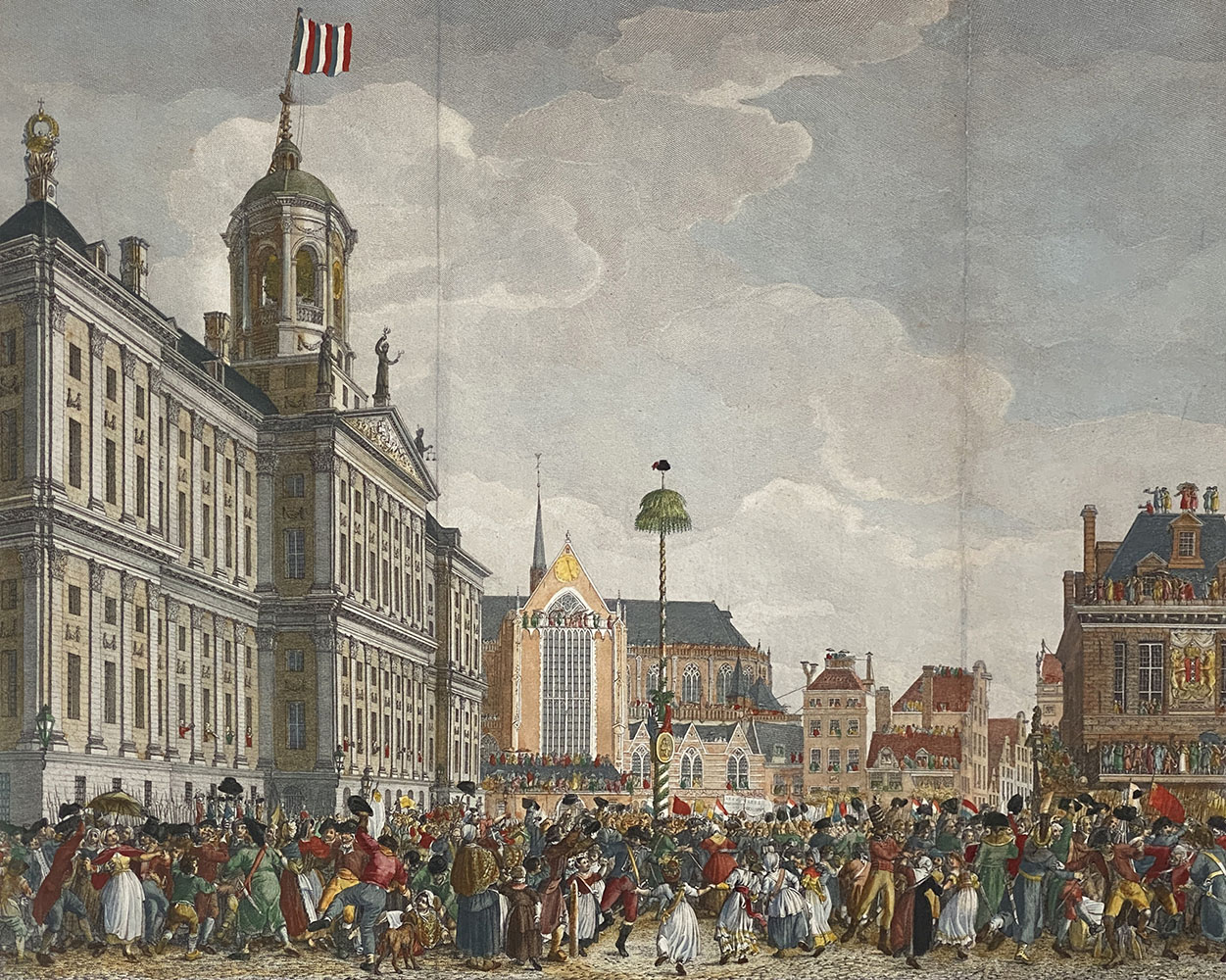
The revolutionary celebrations of March 4, 1795, in Amsterdam. The start of the ‘Batavian Revolution’ and the opening of the democratic era at the beginning of 1795 were a release after years of struggle and intense events. This ‘festival of freedom’ had to be celebrated exuberantly.
European cultural shift and struggle for freedom
All of this occurred within the framework of a major European power struggle. In the Netherlands, the three-century-long process of European modernization was finally implemented. The story unfolds against the backdrop of a major European cultural shift and struggle for independence, in which, from around 1500 onward, Western Europeans slowly broke free from the traditional power-based thinking of the classical Middle Ages and prepared for the democratic constitutional state of the modern era.

All of this occurred within the framework of a major European power struggle. In the Netherlands, the three-century-long process of European modernization was finally implemented.
The story unfolds against the backdrop of a major European cultural shift and struggle for independence, in which, from around 1500 onward, Western Europeans slowly broke free from the traditional power-based thinking of the classical Middle Ages and prepared for the democratic constitutional state of the modern era.